Turn Lost Repair Bids Into Long-Term Multifamily Accounts
Turn Lost Repair Bids Into Long-Term Multifamily Accounts
The standard approach to commercial roofing often feels like a binary coin flip. You send over a proposal for a leak or a maintenance scope, and you either win the job or you lose it. If the bid is lost, the lead usually gets tucked away into a nurture sequence with the vague hope that the property manager remembers your name the next time a roof fails.
Hope is a difficult way to build a sustainable service division. The truth is that losing a specific repair does not require you to lose the entire account. There is a strategic middle ground that allows you to stay connected to the property even when your initial bid was passed over for a competitor.
One of the strongest moves for a service division is using a Master Service Agreement (MSA) to secure reactive work from clients who chose someone else for the original project. This approach moves you away from selling one-off projects and positions you as a strategic partner for the long haul.
Key Takeaways from this Strategy:
How to identify the difference between proactive and reactive client needs.
The logic behind the 15-day follow-up after a lost bid.
Using the "AAA" analogy to explain emergency response value.
Shifting From Project Bidding to Account Strategy
The multifamily market operates on relationships and trust. Many companies treat every repair opportunity like a one-time transaction. They focus entirely on the immediate scope of work rather than looking at the broader needs of the property manager or the ownership group.
Commercial roofing work frequently involves reactive maintenance and emergency response. When a manager deals with water intrusion or tenant disruption, they face high pressure. They need speed, clarity, and the confidence that someone will actually answer the phone and show up when the rain is falling.
Pro-Tip: Position your company as the "First Call" for emergencies by offering a pre-signed service framework. This removes the friction of pricing debates during an active crisis and ensures the manager has a solution ready to go before the next storm hits.
Bridging the Gap Between Warranty and Response
A common hurdle in multifamily is the existing roof warranty. Many managers believe they are fully covered because they have a piece of paper from a manufacturer or a previous installer. However, there is a massive distinction between warranty coverage and emergency response.
A warranty ensures the materials or labor meet a certain standard over time, but it rarely guarantees that a technician will be on-site at 2:00 AM to mitigate active water damage. Think of it like a truck warranty. The manufacturer might cover the engine, but they aren't coming to the side of the highway to change your tire or tow you to safety.
The MSA serves as your version of "roadside assistance" for the asset. It provides physical presence on-site to protect the property and the residents while a larger solution is determined. This presence has immense value to a property manager who needs to show ownership that action is being taken immediately.
The 15-Day Follow-Up Logic
When you lose a repair bid, the professional move is to confirm the work was awarded and then step back. Following up about fifteen days later allows enough time for the competitor to have completed the work. This is the perfect window to re-enter the conversation with a service-oriented mindset.
The goal of this call is to check on the welfare of the property and the residents. Asking how the repair went and if the problem was fully resolved opens the door for a deeper conversation. You are not calling to be the "backup roofer" or to complain about the lost bid. You are calling as an advisor who is still interested in the health of their portfolio.
Pro-Tip: Use this follow-up to introduce your emergency dispatching service. Even if the current repair was successful, the manager still needs to know who will respond during the next after-hours emergency when their primary contractor might be unavailable.
Building a Framework for Messy Service Calls
Reactive roofing work is naturally messy. You don't always know the full extent of a leak until you are on the roof in the middle of a storm. Trying to force these unpredictable situations into a rigid, quoted model every single time causes delays and frustration for everyone involved.
The MSA creates a clean framework for this chaos. By establishing set rates for weekdays, weekends, and after-hours emergencies, you provide the client with total transparency. Incorporating a "Not-to-Exceed" (NTE) limit gives the property manager the boundaries they need to authorize work quickly without fear of an uncapped bill.
This structure allows your team to move fast. When the manager knows the cost structure ahead of time, they can approve a dispatch with a single email or phone call. This efficiency is exactly what reactive clients are looking for when their buildings are taking on water.
Turning a Lost Bid Into a Decade of Work
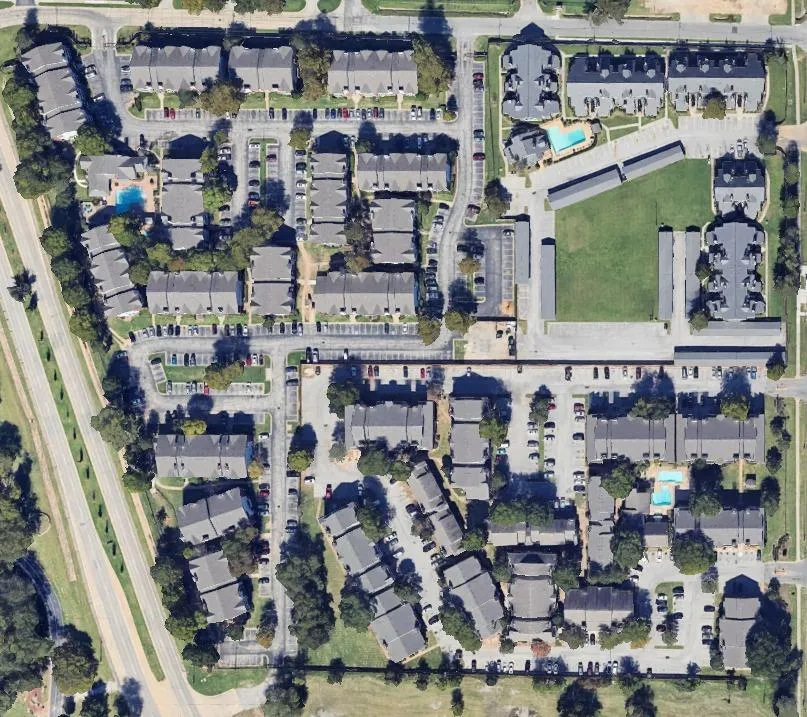
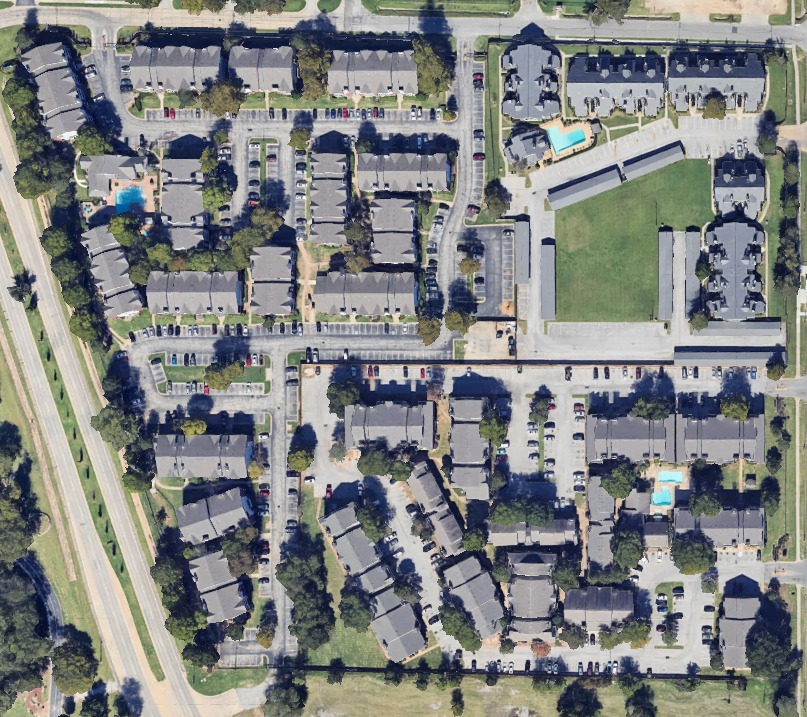
There was a specific situation with a 46-building apartment community where we lost a repair bid to a large competitor. We followed our process and called back after the work was done. It turned out the repair hadn't stopped the leak, and the manager was struggling to get the original contractor back out to the site.
Because we stayed in the conversation and offered a professional follow-up, we were the ones there to solve the problem when the other company went missing. We didn't just win that one repair back; we secured a signed MSA and managed that account for over ten years. That relationship would have never existed if we treated the lost bid as a dead end.
Pro-Tip: Focus on the long-term value (LTV) of the relationship. A single lost repair is a small price to pay if the follow-up process leads to a decade of recurring maintenance and eventual capital replacement projects across a whole portfolio.
The Professional Advantage of Persistence
A lost repair is often just the beginning of a relationship. When you re-enter the conversation with professionalism and a tangible solution like an MSA, you often find that the awarded contractor failed to provide the level of communication the client actually needed. This is where trust is built and accounts are won back.
Property managers eventually open more doors for the contractors who show up, communicate clearly, and bring order to chaotic situations. By staying relevant after the proposal process is over, you stop building your business one bid at a time and start building a genuine service strategy.
If you want to move your service division toward more predictable, recurring revenue, it is time to look at your lost bids through a different lens. Every "no" on a proposal is an invitation to offer a different kind of value that protects the asset and supports the manager when they need it most.
Next Steps: Review your lost proposals from the last thirty days. Reach out to those managers to see how the work went and introduce the concept of an emergency response framework to ensure they are covered for the next storm.